
Every spring race season is won or lost long before race day — usually sometime in January, on a gray Tuesday morning when nobody’s watching. Base building isn’t glamorous. There are no PRs, no medals, no strava kudos storms. But it’s the foundation everything else gets built on, and skipping it is the fastest way to peak too early, get hurt, or simply run out of gas when the race actually matters.
A base phase is a stretch of weeks — usually 6 to 12 — where the goal isn’t speed, it’s volume and consistency. You’re building aerobic capacity: a stronger heart, denser capillary networks, more efficient fat metabolism, and tendons and ligaments that can handle the workload you’ll eventually ask of them in race-specific training. Think of it as pouring the foundation of a house. Nobody admires a foundation, but nothing built on top of it stands without one.
The most common base-building mistake is running too hard, too often. Base miles should feel conversational — you should be able to hold a full sentence without gasping. A good target is keeping 80% or more of your weekly mileage at an easy, aerobic pace. It’ll feel slow. That’s the point. Easy running builds the aerobic engine without accumulating the fatigue that speed work does, which means you can run more often and recover faster between sessions.
Increase weekly mileage by roughly 10% at a time, and plan a lighter “step-back” week every third or fourth week to let your body absorb the work. Base season is where you can afford to be patient — there’s no race on the calendar demanding peak fitness yet, so there’s no reason to rush the buildup and risk an injury that costs you the season entirely.
Runners who build a base on mileage alone often show up to race-specific training with weak links — hips, glutes, and calves that can’t handle the surges and speed work ahead. Two short strength sessions a week focused on single-leg stability, hip strength, and calf endurance go a long way toward injury-proofing you before the harder training starts.
You don’t need intervals yet, but you don’t want your legs to forget what fast feels like either. Once or twice a week, finish an easy run with 4-6 strides — 20-second relaxed accelerations up to about 85-90% effort, with full recovery between them. Strides sharpen your form and turnover without adding real fatigue, so they’re a low-risk way to stay primed for the speed work coming later.
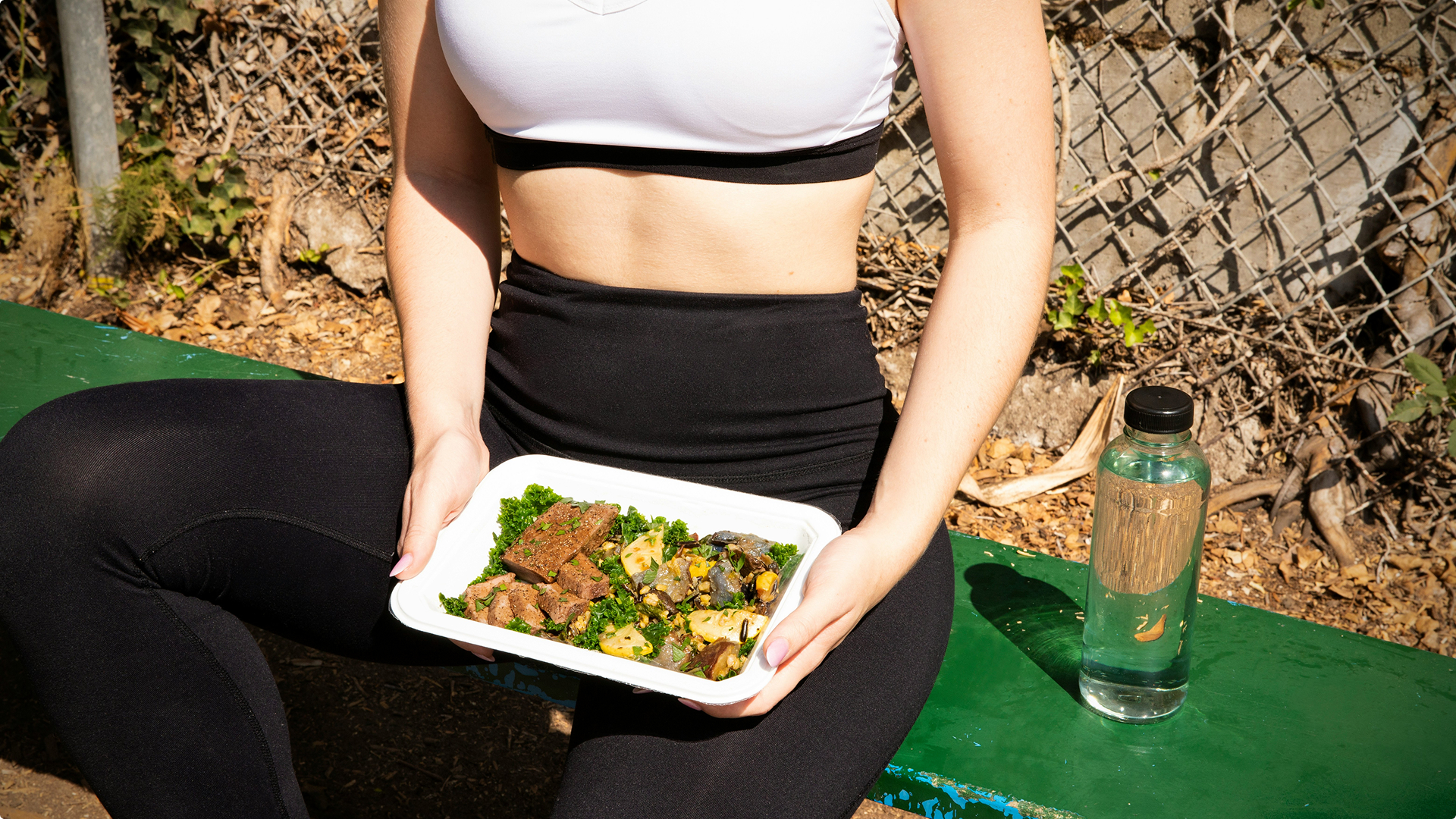
It’s tempting to treat base season casually since the stakes feel lower, but the habits you build now — consistent sleep, steady fueling, good hydration — are the ones that will actually hold up once training gets harder. Base season is also the easiest time to dial in your nutrition and experiment with what works, long before race-week nerves complicate things.
As race season approaches, base training gradually gives way to race-specific work — tempo runs, intervals, and long runs that start to resemble the demands of your goal race. There’s no exact date this happens; it’s dictated by your race calendar and how many weeks of specific training you need beforehand. But the better your base, the more you’ll be able to absorb that sharper work without breaking down.
The runners who show up strongest in spring aren’t the ones who trained the hardest in March. They’re the ones who quietly put in the work all winter, when nobody was watching and there was nothing to prove yet.